

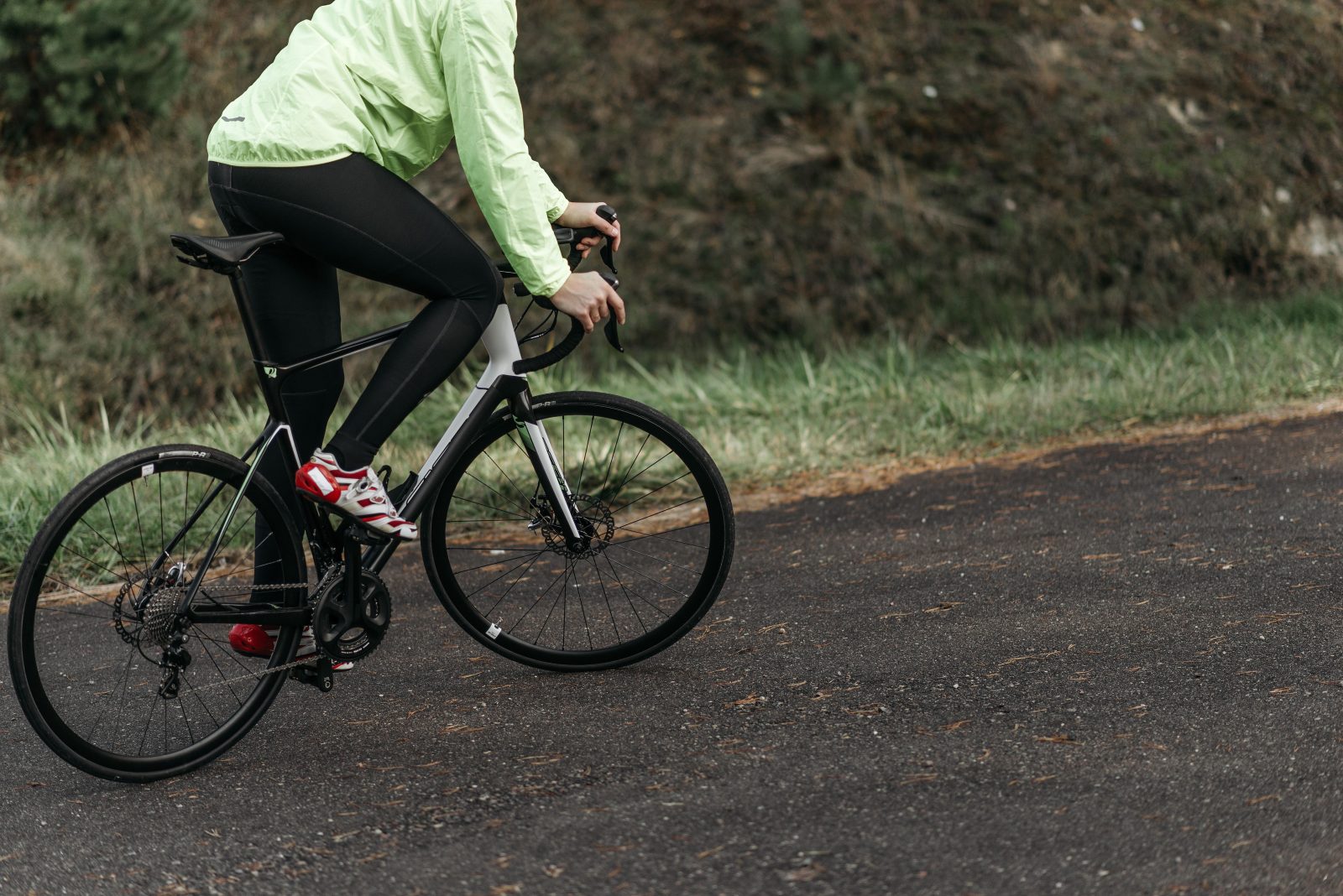
Mastering the Basics: An Essential Guide on How to Ride a Bicycle for Beginners
Do you remember watching someone glide past you on a bicycle, making it look as easy as breathing? Maybe that sparked a tiny wish in you to hop on a bike and experience that joyful breeze. For many, riding a bike is a rite of passage, a step towards independence. If you’re eager to join the ranks of cyclists but don’t know where to start, you’ve come to the right place. Mastering the basics of riding a bicycle isn’t just about keeping your balance; it’s about unlocking a new realm of fun and freedom.
Step 1: Choosing the Right Bicycle
Before you start pedaling away, it’s crucial to choose a bike that fits you. A bike that’s too big will be harder to control, while a bike that’s too small can be uncomfortable. When you stand over the bicycle, there should be 1 to 2 inches of space between you and the top tube if you’re using a road bike, and 3 to 4 inches if it’s a mountain bike. Also, make sure you can easily reach the handlebars and pedals.
Step 2: Gear Up for Safety
Safety should always come first. A helmet is essential; make sure it fits well and sits squarely on your head. Don’t forget to strap it on tightly! Additionally, consider knee and elbow pads, especially if you’re starting. They can protect you from scrapes if you fall.
Step 3: Learning to Mount the Bike
To get on your bike, hold the handlebars, lean the bike toward you, and swing your leg over the seat to sit down. Rest your hands gently on the handlebars and place your feet on the ground. When you’re ready to start, put one foot on a pedal in the up position – you’re now ready to go!
Step 4: Finding Your Balance
Mastering the Basics: An Essential Guide on How to Ride a Bicycle for Beginners emphasizes balance as the foundation of cycling. Start by pushing yourself gently along with one foot, then try with both feet, coasting along for short distances. The key here is to remain relaxed and look ahead, not down at your feet or the ground.
Step 5: Pedaling and Steering
Once you feel stable, it’s time to start pedaling. Push down on the front pedal, and as you gain a bit of speed, continue pedaling smoothly. To steer, simply turn the handlebars the direction you want to go, but do so gently – sudden turns can cause falls. Keep your motions fluid and steady.
Step 6: Stopping Safely
Stopping is just as important as moving. To stop, gently squeeze both the left and right brake levers evenly with your fingers. Avoid slamming on the brakes, as this can lead to skidding or flipping over. Once you’ve slowed down and stopped, put your feet down to stabilize.
Step 7: Practicing Regularly
Like any new skill, learning to ride a bike well requires practice. Spend time riding in a safe, open area, like a park or a quiet street with little traffic. As you become more confident, you can start exploring different terrains and even venture onto busier roads.
FAQs about Riding a Bicycle for Beginners
Q: How long does it take to learn how to ride a bike?
A: Everyone learns at their own pace, but many beginners can start riding confidently after a few hours of dedicated practice.
Q: What should I wear when riding a bike?
A: Wear comfortable clothes that won’t get caught in the bike’s gears or wheels. Closed-toe shoes are essential to protect your feet and provide good grip.
Q: Should I use training wheels?
A: Training wheels can help younger children learn to pedal and steer without worrying about balance. Adults and older kids usually won’t need them because they’re capable of handling more balance challenges.
Conclusion
Tackling bicycle riding can seem daunting at first, but remember, almost every expert rider started just where you are now. By mastering these basics: choosing the right bike, gearing up for safety, mounting, balancing, pedaling, steering, and stopping safely, you’ll transform from a beginner to a confident cyclist in no time. Keep practicing, stay patient, and above all, enjoy the journey on your bike, because every ride brings new joys and discoveries.
Mastering the Basics: An Essential Guide on How to Ride a Bicycle for Beginners isn’t just about learning a skill—it’s about embracing a new way to explore and connect with the world around you.