

Mastering Your Ride: How to Shift Bicycle Gears Correctly for Smooth Cycling
Start with a Relatable Problem
You’re riding your bike on a beautiful trail. The sun is shining, birds are chirping, but suddenly, you come to a steep hill. You pedal harder, but it just gets tougher to move forward, and your legs feel like they’re turning into jelly. Sounds familiar, right? Learning to shift gears efficiently can make these situations a breeze and help you enjoy a smoother ride all around!
What Does Shifting Gears Mean?
Shifting gears on a bicycle is like choosing the right pair of shoes for an activity. Just like you wouldn’t wear flip-flops for a run, selecting the proper gear can make your biking experience much more enjoyable. When you shift gears, you’re adjusting the resistance of the pedals to suit the terrain—whether you’re cruising on a flat road or climbing a steep hill.
Why is Mastering Your Ride Important?
Shifting gears properly allows you to maintain a steady, comfortable pace regardless of the path. Not only does it prevent exhaustion, but it also protects your bike from wear and tear. Before we dive deeper into how to shift gears correctly for smooth cycling, let’s break down how the gear system on your bike works.
Understanding Your Bike’s Gear System
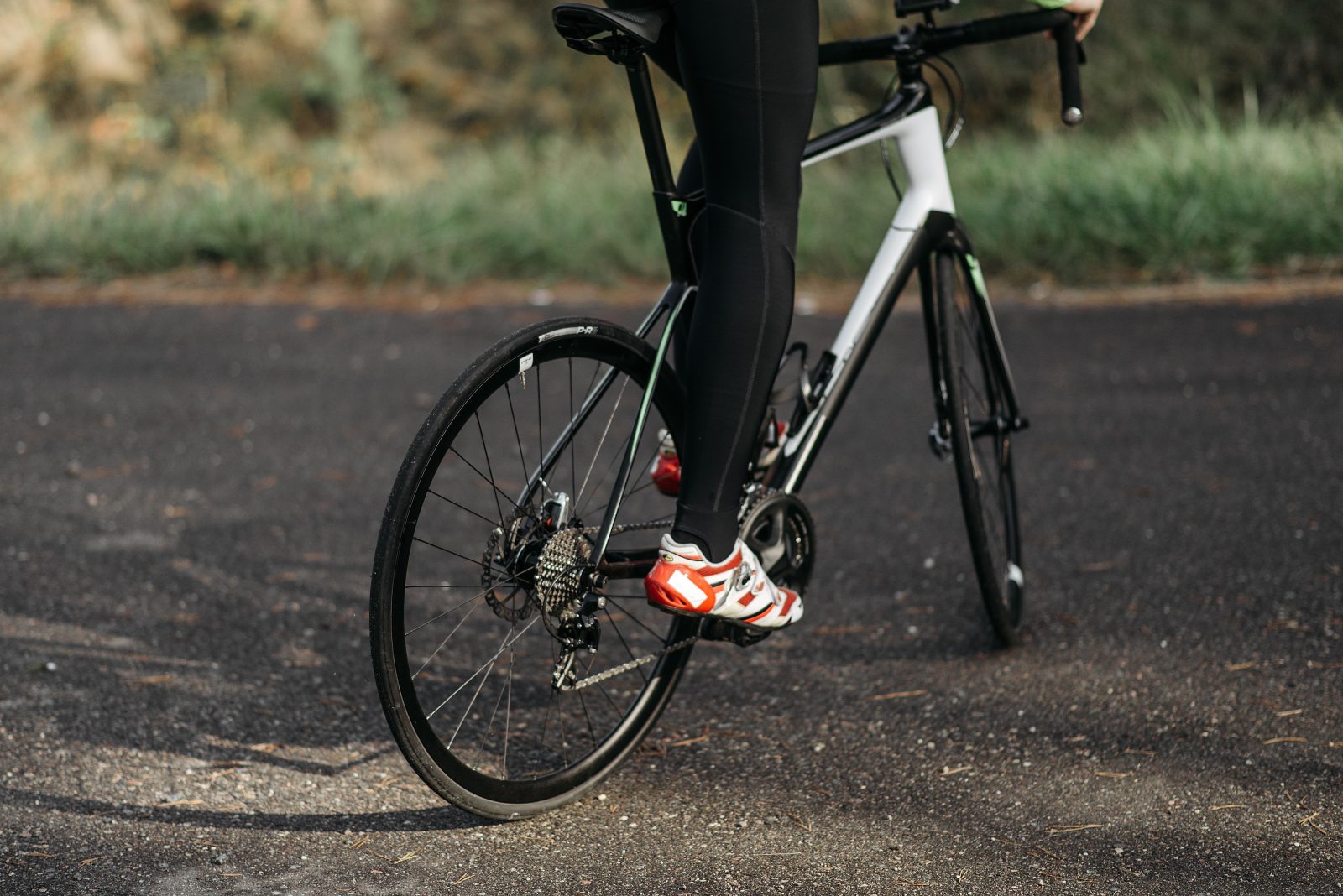
Most bikes come with two sets of gears: one near the pedals (front gears) and one on the wheel (rear gears). Each set can come in different sizes and numbers, depending on your bike. The chain, which connects these gears, moves when you shift, altering how hard or easy it is to pedal.
Mastering Your Ride: Step-By-Step Guide on Shifting Gears
- Know Your Shifters: Bikes typically have two shifters on the handlebars. The right shifter changes the rear gears (small changes in difficulty), and the left shifter adjusts the front gears (big changes in difficulty).
- Start Simple: Begin by using only the right shifter to get used to how shifting feels and how it affects your pedaling.
- Anticipate the Terrain: Look ahead and decide when to shift. Change to a lower gear before you start climbing a hill (makes it easier to pedal), and to a higher gear as you descend or if the trail becomes easier.
- Shift While Pedaling: Always pedal lightly when you shift. This action helps the chain catch onto the new gear smoothly without grinding.
- Practice Makes Perfect: The more you ride and shift, the better you’ll become at knowing when and how to shift gears.
Common Mistakes to Avoid While Shifting Gears
- Shifting too late: When you shift gears after you’ve already started climbing a hill, it can put too much pressure on the chain, making it hard to switch gears.
- Not pedaling while shifting: If you stop pedaling when you shift, the chain won’t move smoothly to the next gear and might even come off.
- Overusing one gear: Using the same gear all the time can wear it out quickly. Try to use different gears based on the terrain to keep your bike in good shape.
FAQ Section
Q1: Can shifting gears damage my bike?
A1: Not if done correctly! Smooth and timely shifting will keep your bike in great condition.
Q2: What should I do if my gears are not shifting smoothly?
A2: Sometimes, gears may need a little adjustment or lubrication. If simple fixes don’t work, it might be a good idea to take your bike to a shop for a tune-up.
Q3: How often should I change gears?
A3: It depends on the terrain. Shift as needed to maintain a comfortable pedaling pace. Avoid staying in a gear that feels too hard or too easy for too long.
Conclusion
Mastering your ride by learning how to shift bicycle gears correctly for smooth cycling isn’t just about making your ride easier. It’s about enjoying your cycling journey, no matter the hills or challenges you face along your path. Remember, it’s all about using the right gear at the right time and keeping your bike in great shape. With a little practice, shifting gears becomes second nature! Keep pedaling, keep shifting, and enjoy every bit of your adventure on two wheels.