

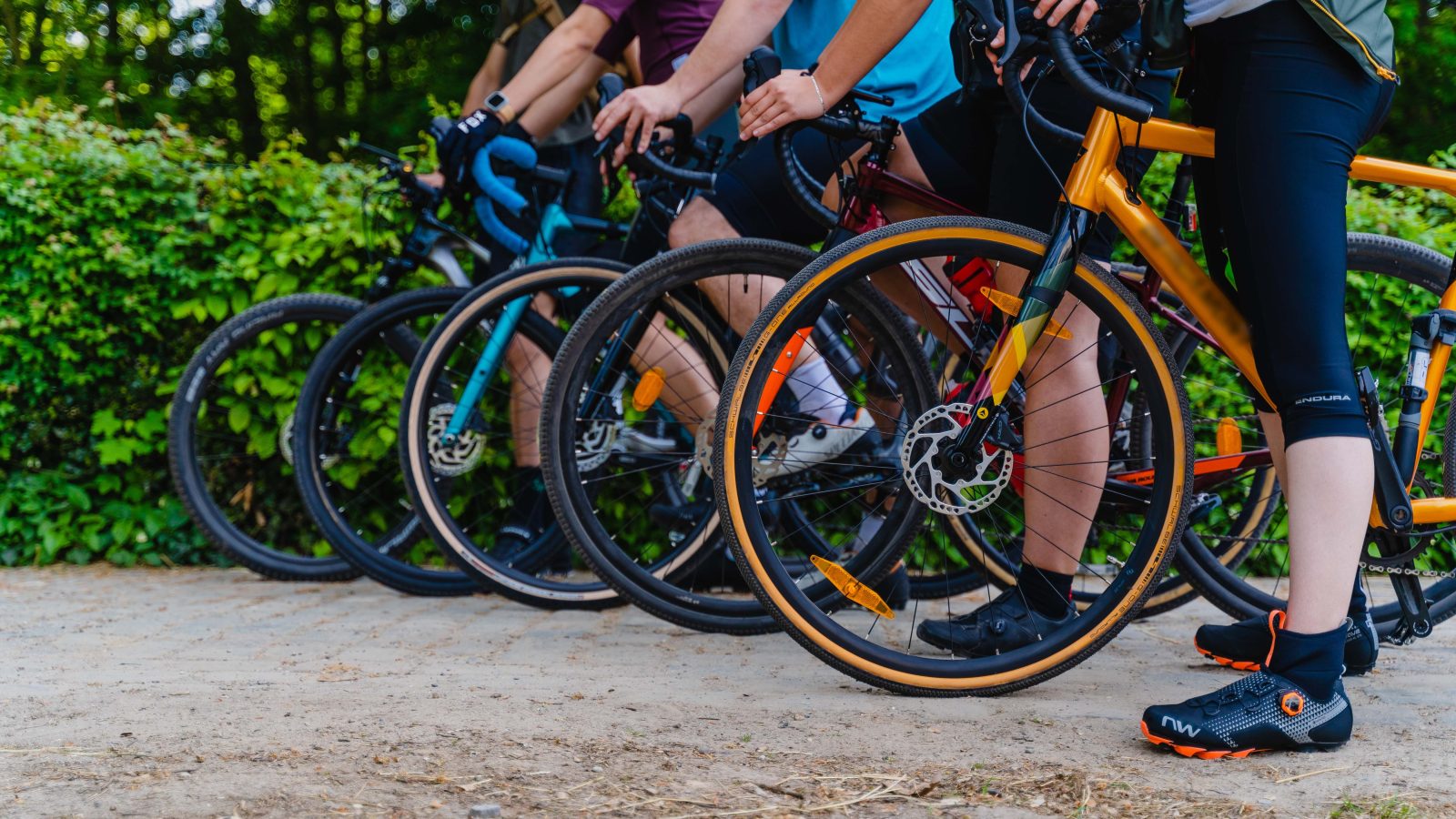
Have you ever found yourself staring at rows of gravel bikes online and not knowing which one to choose?
If you’re confused about picking the right gravel bike, you’re not alone. Gravel biking has become hugely popular because it’s a fun way to explore both pavement and trails. But with so many options, it can be tough to know what’s best for you. This guide will walk you through the top features to consider in the best gravel bike: How to choose the right model for you, ensuring you make a wise decision based on your needs.
What Exactly is a Gravel Bike?
A gravel bike is like the Swiss Army knife of the cycling world. It combines elements of road bikes and mountain bikes, giving you the versatility to ride on various surfaces, including gravel, dirt, and tarmac. This adaptability makes it a popular choice for adventurers who like to mix their terrains.
Why People Buy Gravel Bikes
The appeal of gravel bikes lies in their versatility. People buy them for commuting, adventure riding, and even some light racing. They’re ideal for cyclists looking to push beyond the limits of paved roads without committing to a full-on mountain bike.
Key Features to Look For
When deciding on a gravel bike, here are some essential features to consider:
-
Frame Material: The frame is the heart of your bike, and it can be made from materials like aluminum, steel, or carbon fiber. Aluminum is lightweight and affordable, steel is known for its durability and comfort, and carbon fiber is both lightweight and strong but can be more expensive.
-
Tire Clearance: This is crucial because bigger tires provide better traction and comfort on rough surfaces. Look for a bike that can accommodate at least 35mm tires or more.
-
Gearing Options: Gravel bikes often come with a wide range of gears to handle different terrains. Consider whether you want a double chainring for speed or a single chainring for simplicity and easy maintenance.
-
Brake Type: Disc brakes are a must for gravel bikes because they offer better control and stopping power, especially in wet or muddy conditions.
Things to Check Before Buying
Before you make a purchase, check these points:
- Bike Fit: Ensure the bike fits you properly. A bike that’s too large or small can be uncomfortable and inefficient.
- Test Ride: If possible, test ride the bike to see how it feels. This can help you notice if there are any issues with comfort or handling.
- Reviews and Recommendations: Look at reviews and consider recommendations from experienced riders. These can provide valuable insights into a bike’s performance and reliability.
Who It is Best For
Gravel bikes are best for riders who enjoy versatility. They’re great for anyone who wants to commute during the week but hit some gravel paths or forest tracks on the weekend. They’re also ideal for cyclists looking to participate in gravel racing or long adventure rides.
Common Mistakes to Avoid
When shopping for a gravel bike, avoid these common pitfalls:
- Ignoring Fit: Getting the wrong size can lead to discomfort and a bad riding experience.
- Overlooking the Frame Material: Each material offers different benefits, and choosing the wrong one can affect your ride quality.
- Skimping on Components: Low-quality components might save you money initially but could cost more in maintenance in the long run.
Helpful Buying Tips
- Set a Budget: Gravel bikes can vary widely in price. Decide how much you’re willing to spend and stick to it.
- Prioritize Key Features: Decide which features are most important to you and ensure your chosen bike has them.
- Consider Future Upgrades: Look for a bike that can be easily upgraded as your interest and skills develop.
FAQ Section
Q: How much should I expect to spend on a good gravel bike?
A: Decent gravel bikes start around $1,000, but higher-end models can go up to several thousand dollars.
Q: Can gravel bikes be used for everyday commuting?
A: Absolutely! Gravel bikes are perfect for commuting thanks to their comfort, durability, and versatility.
Q: What is a good tire width for gravel bikes?
A: Aim for tires that are at least 35mm wide. Wider tires can offer better stability and comfort on rough terrains.
Conclusion
Choosing the right gravel bike involves understanding what makes these bikes unique and what features best meet your needs. Consider the frame material, tire clearance, gearing, and brakes carefully. Remember to test ride and ensure a proper fit to make your riding experience enjoyable. With the right preparation, you can find a bike that not only fits your budget but also enhances your cycling adventures. Happy riding!